Among the new family of carbon/graphite materials, fluorinated graphite occupies an important position due to its unique structure and excellent properties. Among them, high-specification fluorinated graphite with a flake diameter of 0.5-10 μm, a purity of 99%, and a fluorine content of 50-60%, demonstrates irreplaceable application value in multiple high-tech fields thanks to precise parameter control, becoming a research hotspot and application focus in materials science.
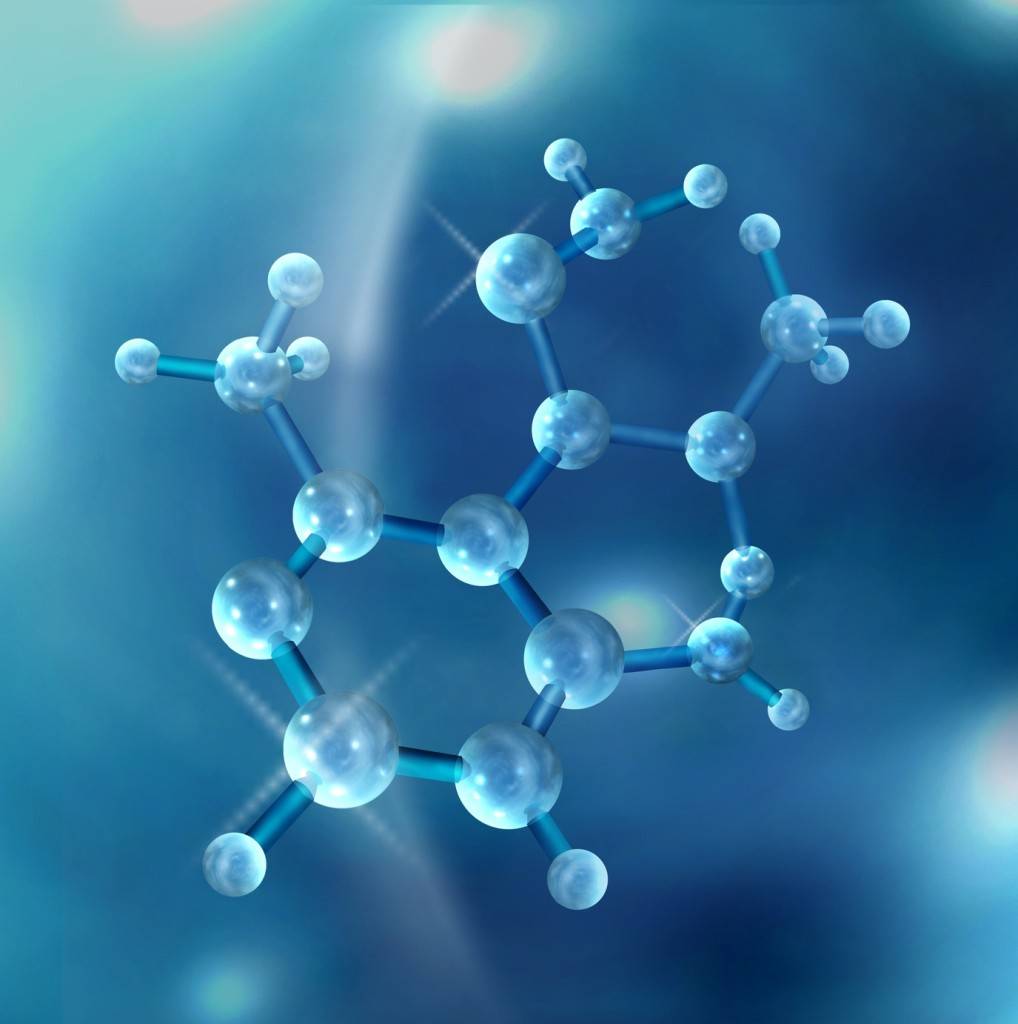
Precise parameters endow this specification of fluorinated graphite with superior core characteristics. Structurally, fluorine atoms and carbon atoms are bonded by stable covalent bonds to form a special layered structure. The 0.5-10 μm flake diameter ensures both material dispersibility and the formation of a uniform functional layer in application, avoiding performance inconsistencies caused by excessively large particles. The 99% high purity effectively eliminates impurities, ensuring the stability of the material's chemical properties and laying the foundation for its application in harsh environments. A fluorine content of 50-60% falls within the high fluorination range, resulting in a stable chemical structure and lubrication performance far exceeding that of ordinary graphite and molybdenum disulfide, while also possessing excellent thermal stability and corrosion resistance.

Based on these characteristics, high-grade fluorinated graphite exhibits significant advantages in the lubrication field. Even at high temperatures, its coefficient of friction remains extremely low, and its service life far exceeds that of traditional lubricants, making it particularly suitable for demanding conditions such as high-temperature, high-speed, and high-load applications in aircraft and automotive engines. When mixed with lubricating oils, greases, or resins, it can significantly increase the load-bearing capacity of lubricated components, reduce surface temperature, and decrease wear and tear.
In the energy storage field, this grade of fluorinated graphite is a core material. Its high purity and suitable fluorine content make it an ideal choice for high-energy lithium-ion battery cathodes. Combined with non-aqueous electrolytes, it can be used to create new types of batteries with an energy density 6-9 times that of traditional zinc-alkaline batteries, offering advantages such as long storage life, wide operating temperature range, and high safety performance. It is widely used in various electronic devices such as radio transmitters, observation balloons, and electronic watches. Meanwhile, in lithium-ion batteries and supercapacitors, it serves as an electrode modifier, effectively improving battery energy density and cycle stability.
Furthermore, its low surface energy, resulting in hydrophobic and oleophobic properties, makes it highly promising in the field of anti-corrosion coatings. Coatings coated with fluorinated graphite can effectively resist chemical corrosion and physical abrasion from strong acids and alkalis, protecting the substrate from damage. Its hydrophobic properties also play a unique role in fields such as image recording and chromatographic analysis. With continuous advancements in materials preparation technology, the application scenarios of high-specification fluorinated graphite continue to expand, injecting strong momentum into the development of high-tech industries.