Ultrasonic Liquid Processing
We design, develop and manufacture the world’s most advanced ultrasonic liquid processors.
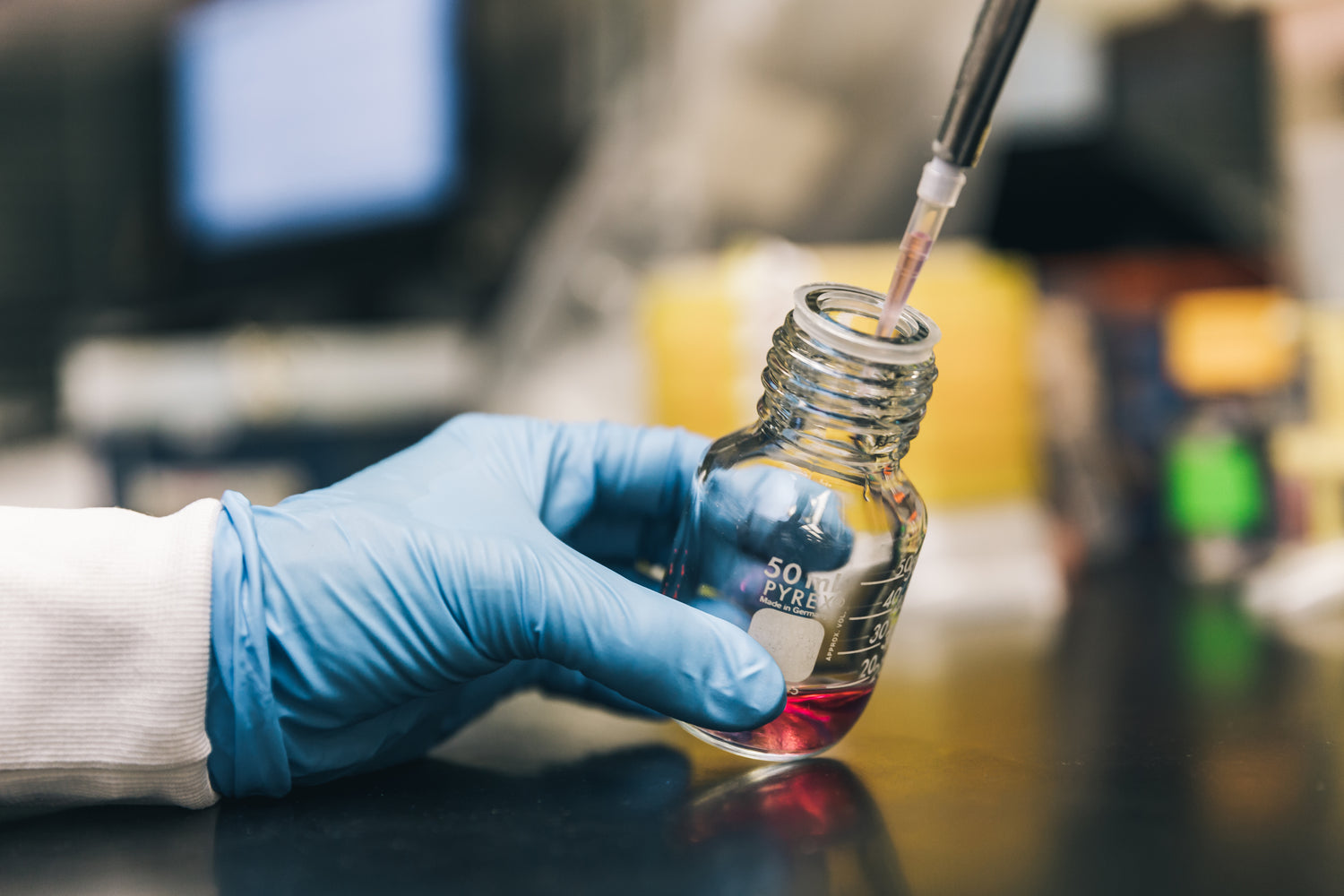
Cell Disruption
Ultrasonic lysis equipment can be used to extract intracellular substances, such as starch or sugar from the cell matrix.
Hot Products
-
H100 Lab Ultrasonic Processor
Regular price From $3,349.00Regular priceUnit price / per$3,500.00Sale price From $3,349.00Sale -
H500 Small-scale Ultrasonic Processor
Regular price From $5,599.00Regular priceUnit price / per$6,000.00Sale price From $5,599.00Sale -
H1000 Laboratory-scale Ultrasonic Processor
Regular price $5,900.00Regular priceUnit price / per$6,500.00Sale price $5,900.00Sale -
H2000 Ultrasonic Liquid Processing
Regular price From $6,999.00Regular priceUnit price / perSale price From $6,999.00
Cell Disruption
The cell structures could be disintegrated by ultrasonic cavitation in field cell biology, microbiology and molecular biology.
Nanoparticle Dispersion
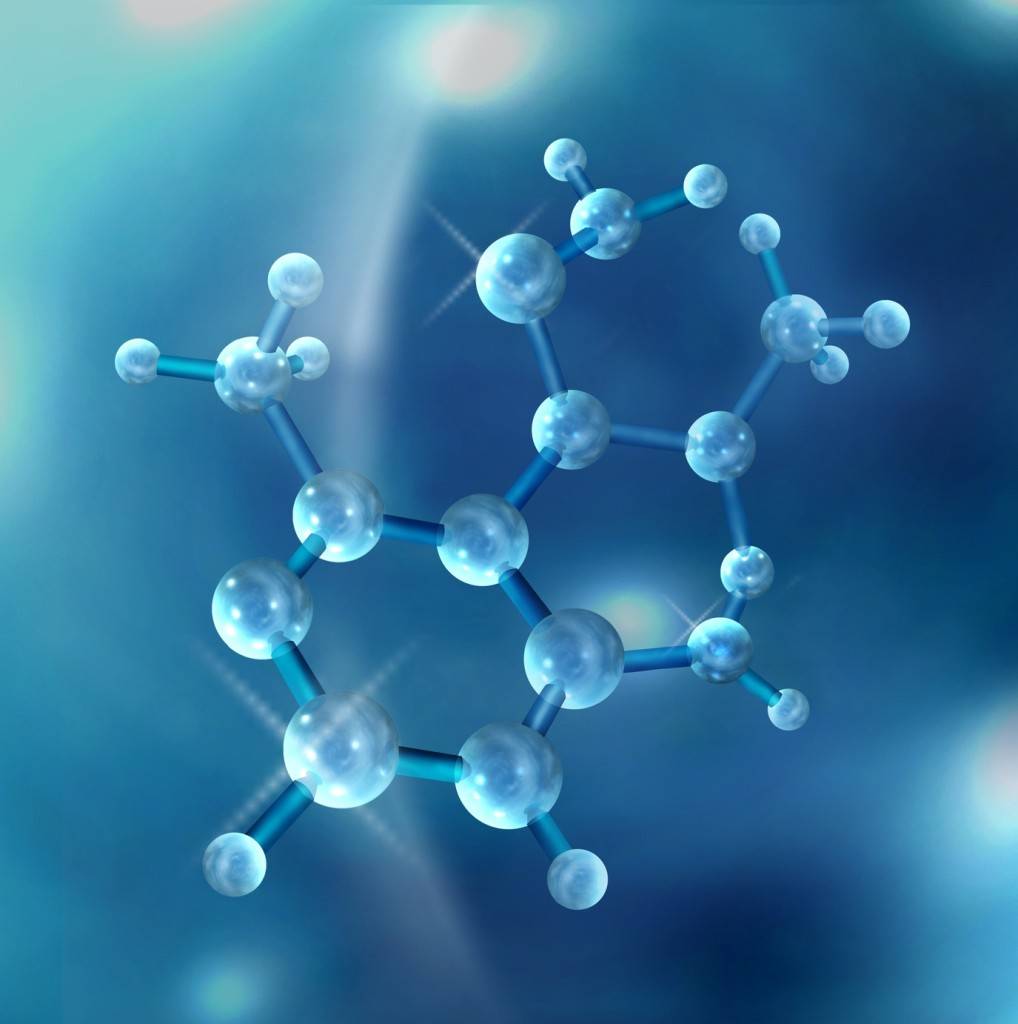
Ultrasonic dispersers performs high effectives in inkjet inks, cosmetics, food&beverages, and nanomaterials.

Emulsification
Ultrasound emulsification has been applied in various fields and plays its unique role in various fields
Homogenization
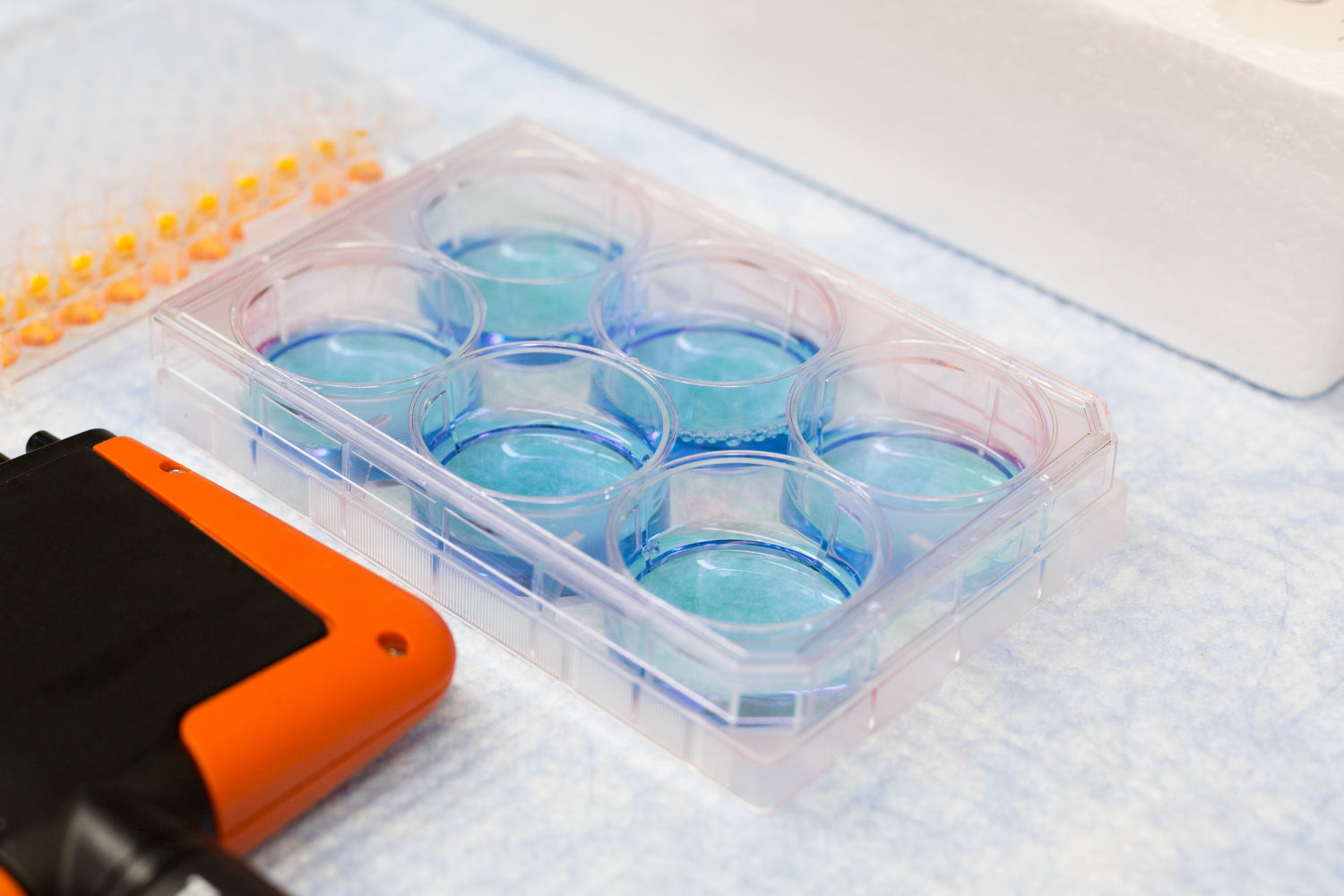
Ultrasonic homogenizers make use of the ultrasonic waves generated by a piezoelectric crystal.
Blog posts
View all-
Application of Ultrasonic Dispersion in Advance...
The core principle of ultrasonic dispersion is based on the cavitation effect. When high-frequency ultrasound acts on a ceramic slurry system, compressed and rarefied regions alternately form in the liquid...
Application of Ultrasonic Dispersion in Advance...
The core principle of ultrasonic dispersion is based on the cavitation effect. When high-frequency ultrasound acts on a ceramic slurry system, compressed and rarefied regions alternately form in the liquid...
-
Surface-Group-Free Upconversion Nanoparticles
surface-group-free upconversion nanoparticles exhibit well-defined and stable optical properties. Their excitation wavelength is fixed in the 975-980 nm range, located in the near-infrared region. This characteristic effectively reduces background fluorescence...
Surface-Group-Free Upconversion Nanoparticles
surface-group-free upconversion nanoparticles exhibit well-defined and stable optical properties. Their excitation wavelength is fixed in the 975-980 nm range, located in the near-infrared region. This characteristic effectively reduces background fluorescence...
-
Ultrasonic Glass Method for Preparing Graphene ...
The ultrasonic glass method is a novel preparation technology combining ultrasonic energy and a glass medium. Its core advantage lies in its ability to precisely control the size and purity...
Ultrasonic Glass Method for Preparing Graphene ...
The ultrasonic glass method is a novel preparation technology combining ultrasonic energy and a glass medium. Its core advantage lies in its ability to precisely control the size and purity...
-
Characteristics of Small-Density Thin-Layer Gra...
As a core product in the field of two-dimensional carbon nanomaterials, small-diameter nanoscale thin-layer graphene nanosheets, with their precisely controllable size parameters and excellent comprehensive performance, have become a key...
Characteristics of Small-Density Thin-Layer Gra...
As a core product in the field of two-dimensional carbon nanomaterials, small-diameter nanoscale thin-layer graphene nanosheets, with their precisely controllable size parameters and excellent comprehensive performance, have become a key...
About Us
Chemisonic specializes in ultrasonic liquid processing technology. For decades, we have dedicated to designing, developing, and manufacturing ultrasonic liquid processors independently, from laboratory application to industrial level. Cutting-edge ultrasonic technology, high quality device and easy-to-use operating system are the fundamentals for our company to achieve continued business growth.