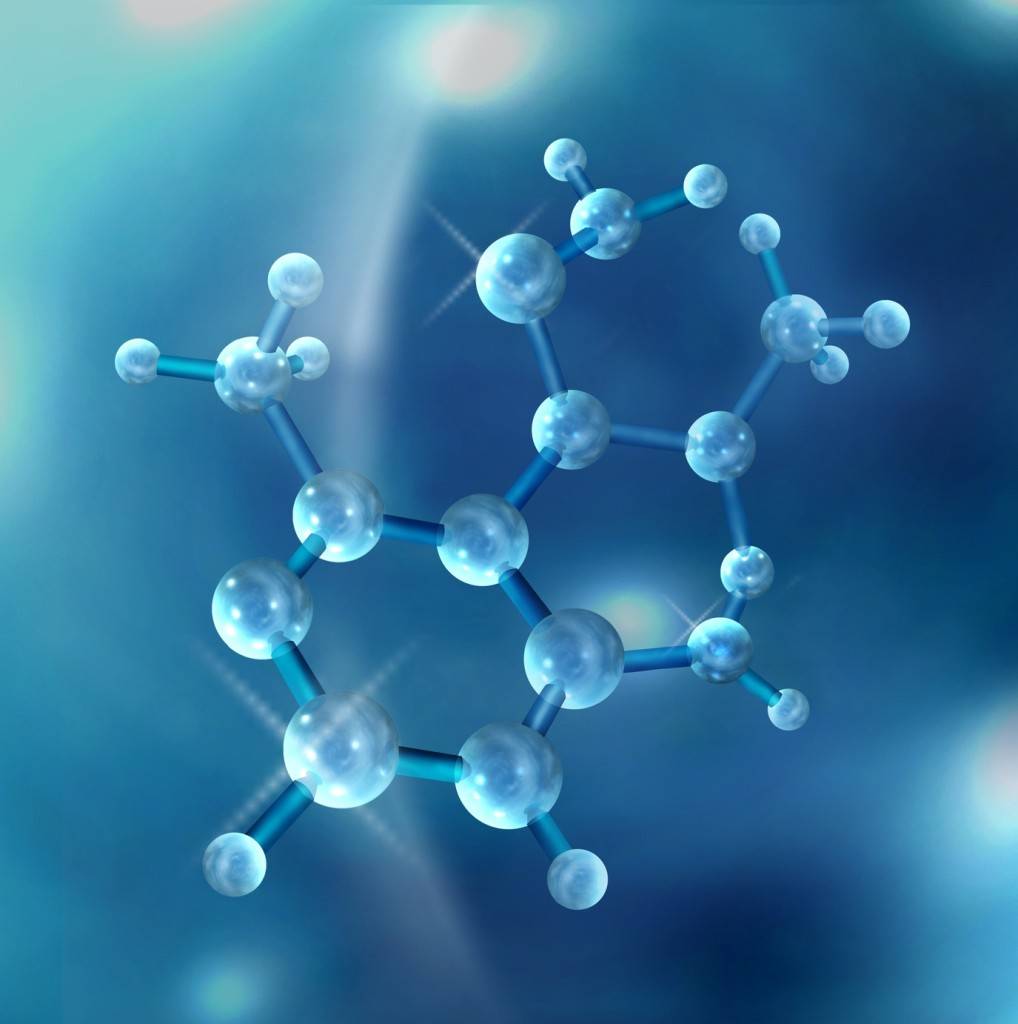
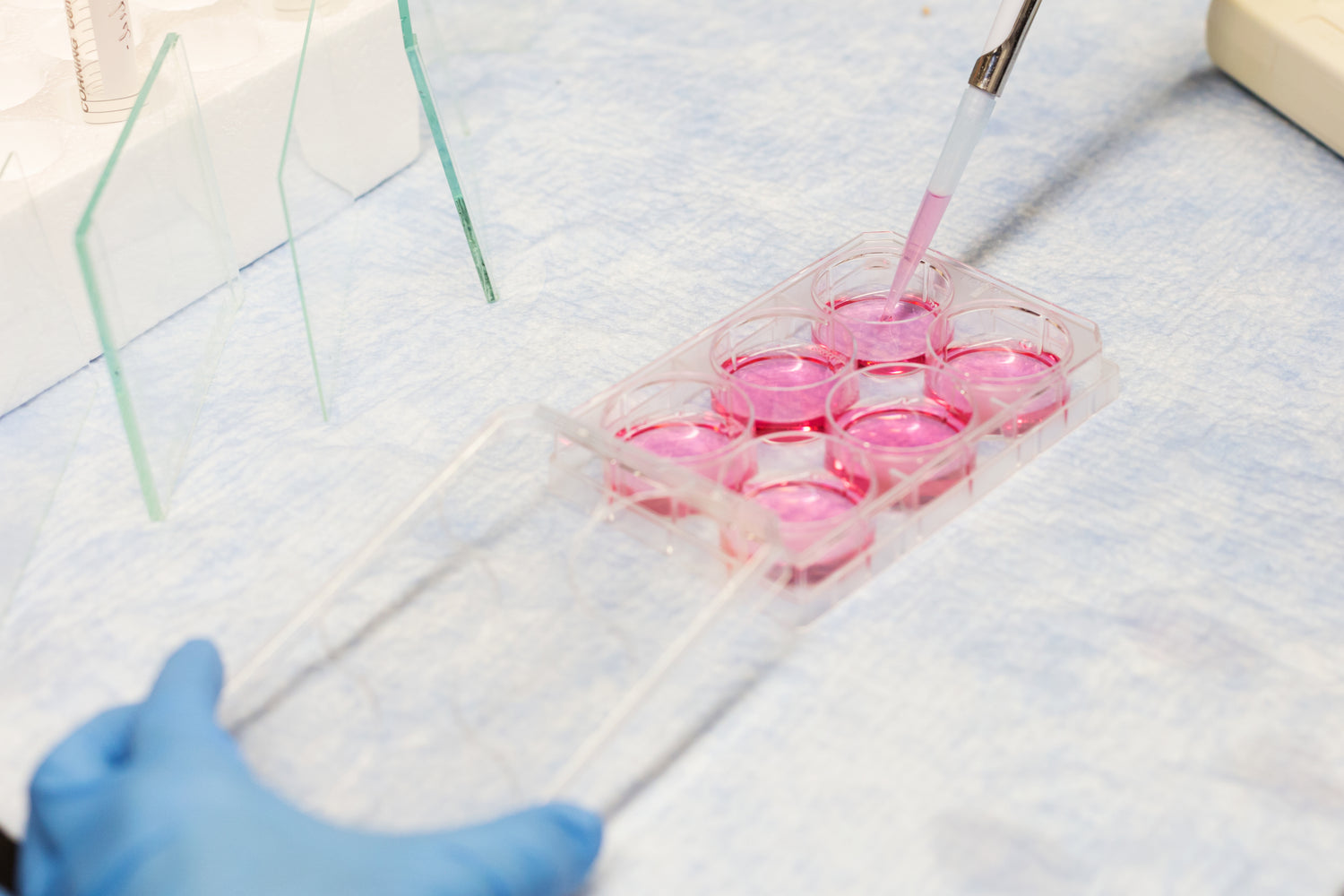
Throughout the long history of chemical research and industrial applications, efficiency, precision, and safety in synthetic processes have always been core pursuits. With the rapid development of science and technology, chemical synthesis-assisted technologies have emerged, pushing the traditional "experience-driven" R&D model to a new height of "intelligent-driven," injecting unprecedented vitality into the field of synthetic chemistry, and becoming a key bridge connecting basic research and industrial transformation.
The core value of chemical synthesis-assisted technologies lies in breaking the limitations of traditional experiments. Traditional synthetic experiments rely heavily on manual operation, which is not only inefficient but also poses numerous risks in handling hazardous reagents and controlling reaction conditions. Modern synthesis-assisted technologies, through the combination of automated equipment and intelligent algorithms, achieve precise control of the experimental process. For example, high-throughput automated platforms can simultaneously conduct dozens of parallel experiments, increasing the efficiency of experiments previously conducted per day or per group by tens of times, significantly shortening the R&D cycle. In the synthetic research of key intermediates for anticancer drugs, such platforms, by systematically screening reaction conditions such as temperature and catalyst dosage, quickly identify the optimal synthetic route, providing crucial support for accelerating drug development and shortening the R&D cycle from several years to nearly half.

The deep integration of artificial intelligence and big data has ushered in a new era of intelligent chemical synthesis assistance. Intelligent models, based on massive amounts of chemical reaction data, can accurately predict reaction yields, screen optimal reagent combinations, and even discover entirely new reaction pathways. In the undergraduate experimental optimization of acetylsalicylic acid synthesis, a machine learning model conducted in-depth analysis of over a thousand sets of reaction data, successfully predicting the optimal reaction temperature and time, resulting in a yield of up to 90.1%. This simplified the experimental design process and significantly improved teaching effectiveness. This data-driven R&D model effectively reduces resource waste caused by blind trial and error, making synthetic research more directional and scientific.
The concept of green and sustainable development is fully reflected in chemical synthesis assistance technologies. Precise control of reaction parameters can significantly reduce byproduct generation and raw material waste; the application of auxiliary equipment such as continuous flow reactors can effectively reduce reaction energy consumption and environmental risks. In the field of natural product synthesis, ring strain-driven reactions achieved through auxiliary technologies can efficiently construct the advantageous framework of natural products without complex catalysts, improving synthesis efficiency and meeting the development needs of green chemistry, providing an effective solution for the sustainable development of the chemical industry.
It is important to note that chemical synthesis-assisted techniques do not replace the creativity of chemists, but rather become invaluable assistants to researchers. They liberate researchers from tedious, repetitive tasks, allowing them to focus on exploring innovative ideas and tackling core problems.
In the future, with the deepening of interdisciplinary integration, chemical synthesis-assisted techniques will undoubtedly play a greater role in drug development, new material creation, energy conservation, and environmental protection, propelling synthetic chemistry towards greater efficiency, precision, and sustainability, and providing stronger chemical support for social development.