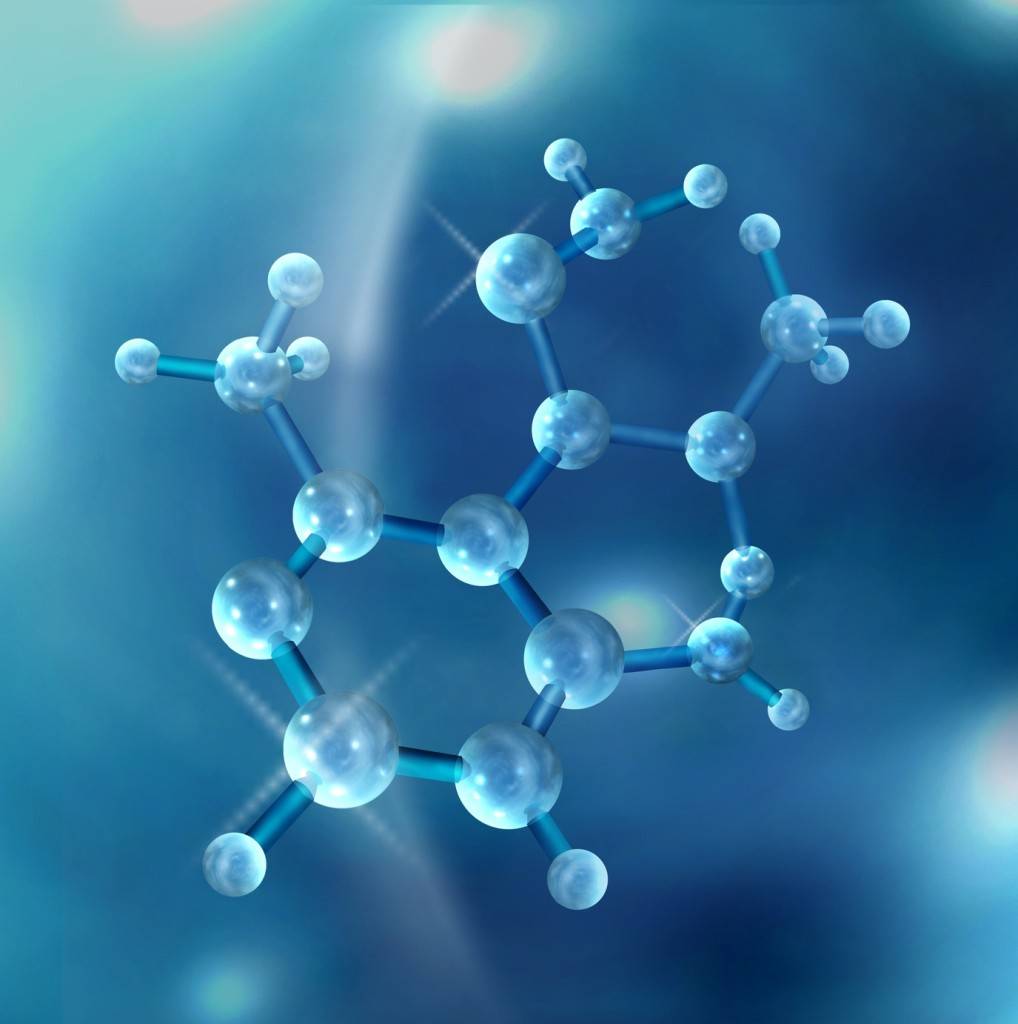
In the field of novel carbon materials, nitrogen-doped graphene has become a hot topic in research and industrial applications in recent years due to its unique electronic structure and physicochemical properties. Among them, nitrogen-doped graphene sheet-spherical hybrids, possessing the dual advantages of sheet and spherical structures and coupled with precisely controllable physicochemical parameters, show broad application prospects in multiple fields. Its core parameters are clearly defined: sheet diameter 0.5-10 μm, thickness <10 nm, purity ~99%, and nitrogen content ~1.2 at%.
The structural design of this material is highly advantageous. The rational integration of sheet and spherical structures effectively solves the problem of easy agglomeration in traditional graphene. The sheet structure maintains the two-dimensional properties of graphene, and the sheet diameter is controlled between 0.5-10 μm, avoiding the problem of excessive edge scattering in small-diameter materials while also ensuring material dispersibility. The ultrathin characteristic of <10 nm allows the material to expose more active surfaces, providing sufficient contact sites for various reactions. The spherical structure further enhances the material's fluidity and stability, allowing the sheet-like graphene to be uniformly dispersed within, forming a structurally stable and performance-balanced mixture system.
Precisely controlled physicochemical parameters are the core guarantee of its superior performance. A purity of ~99% ensures the material is free of excess impurities, reducing their impact on electron transport and catalytic activity, laying the foundation for high-performance applications. A nitrogen content of ~1.2 at% falls within the optimal doping range; nitrogen atoms are incorporated into the graphene lattice through substitutional doping, avoiding both insufficient performance improvement due to low doping levels and excessive lattice defects due to high doping levels. This effectively controls the electronic structure of graphene, resulting in excellent conductivity and catalytic activity.

In terms of performance, this mixture combines high conductivity, excellent electrochemical activity, and good stability. The introduction of nitrogen atoms shifts the Fermi level of graphene, enhancing carrier mobility and improving its conductivity to meet the core requirements of electronic devices and energy storage equipment. Abundant active sites and high specific surface area give it significant advantages in electrocatalysis, gas sensing, and other fields, efficiently promoting various electrochemical reactions. Simultaneously, high purity and a well-designed structure allow the material to maintain stable physicochemical properties in complex environments, extending its application lifespan.
Its applications are wide-ranging, covering multiple fields such as electronic devices, energy storage, catalysis, and sensing. In electronic devices, it can be used as a flexible electrode material, suitable for foldable screens, wearable devices, and other products. In the energy sector, it can be used as electrodes in lithium-ion batteries and supercapacitors, improving energy storage capacity and charge/discharge efficiency. In catalysis, it can be used as a catalyst support or directly as a non-metallic catalyst, replacing precious metals and reducing application costs. In sensing, it can be used to detect gases and chemicals in the environment, exhibiting high sensitivity.
Nitrogen-doped graphene sheet-like and spherical mixtures, with their optimized structure, precise parameters, and excellent performance, have broken through the application limitations of traditional carbon materials and become an important force driving the development of the new materials industry. With continuous optimization of the preparation process, their application scenarios will be further expanded, providing strong support for technological upgrades in multiple industries.