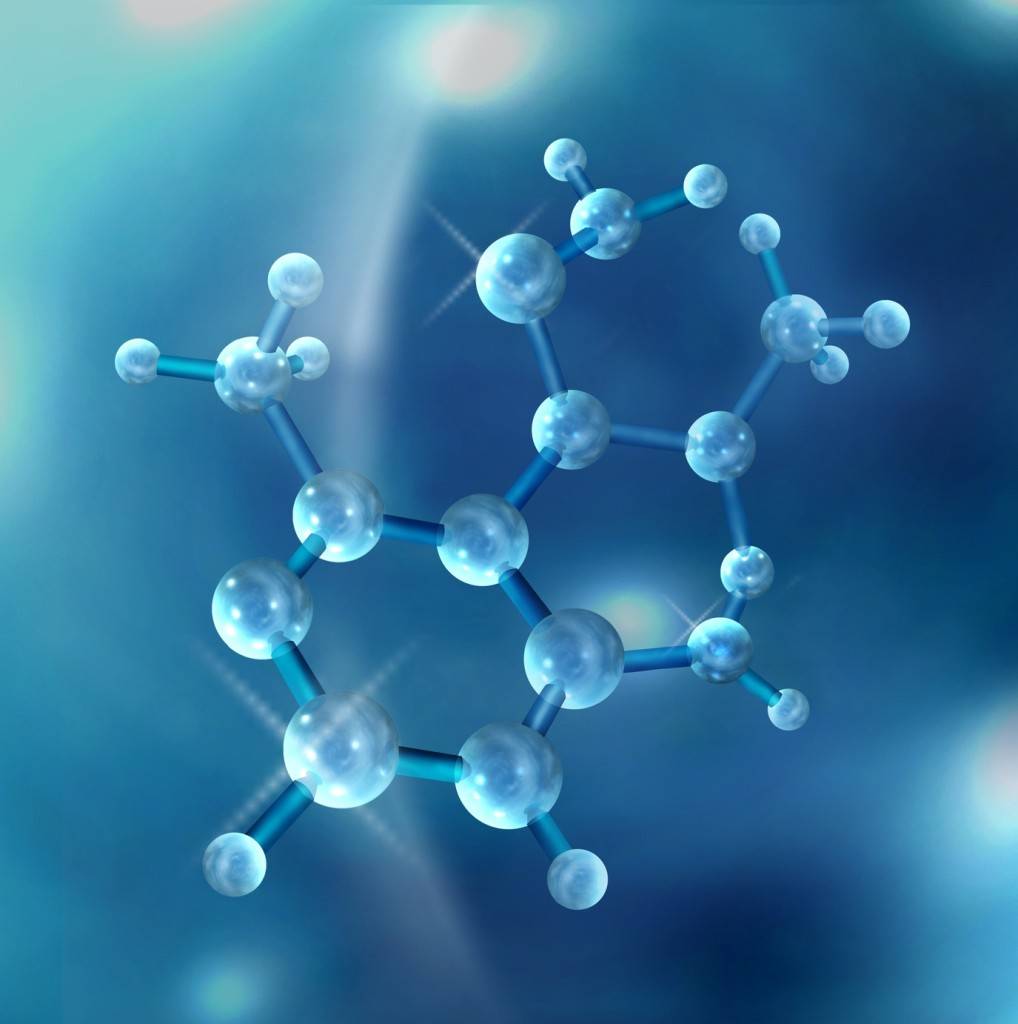
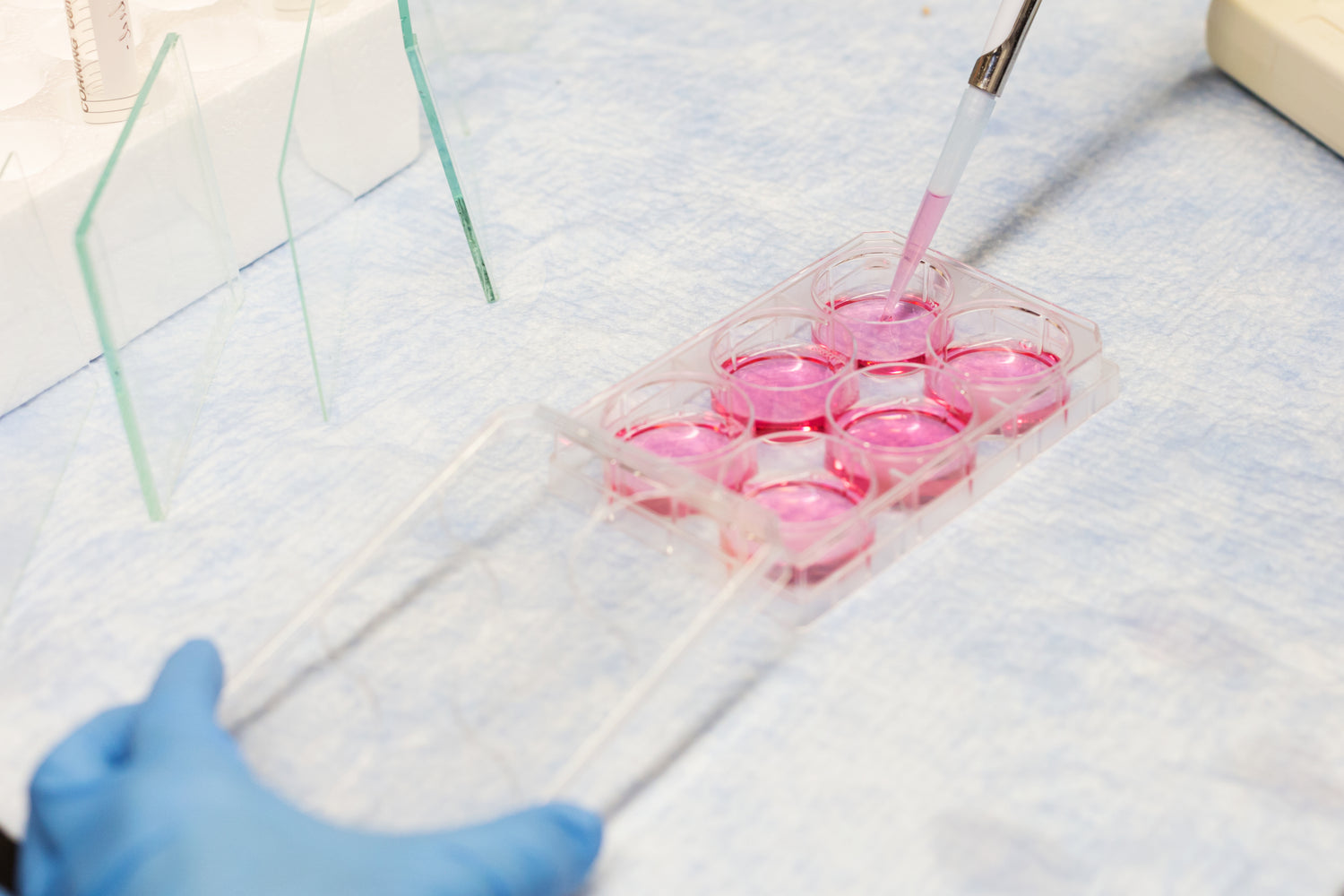
In the field of materials science, polymer and chemical material dispersion is a crucial link between basic research and industrial applications. Its core lies in uniformly dispersing one or more materials as microparticles within a polymer matrix, optimizing overall material performance and expanding application boundaries. From everyday consumer goods to high-end manufacturing, this technology is ubiquitous, becoming a vital support for driving the upgrading of the materials industry.
The essence of polymer and chemical material dispersion is to break down the agglomeration forces between material particles through physical or chemical methods, achieving a uniform distribution of particles in the dispersion medium while simultaneously improving the stability of the dispersion system. The dispersion effect directly determines the performance of polymer materials. Uneven dispersion can lead to internal structural defects, reducing mechanical strength, heat resistance, and durability; while uniform dispersion allows the components to work synergistically, enabling the material to possess the advantages of its different components.
Achieving efficient dispersion requires a reasonable combination of dispersion methods and auxiliary systems. Commonly used dispersion methods are mainly divided into two categories: physical dispersion and chemical dispersion. Physical dispersion breaks up particle agglomerations through external forces such as shearing and extrusion, suitable for basic dispersion needs in mass production. Chemical dispersion, on the other hand, utilizes dispersants to improve the compatibility between particles and the polymer matrix, forming a stable dispersion system and effectively solving the dispersion problems in highly filled systems. The selection of dispersants must match the material properties, and by controlling the molecular chain structure, particle surface modification can be achieved to prevent re-agglomeration after dispersion.

This technology has wide applications in many fields. In plastics and rubber processing, uniformly dispersing inorganic fillers in a polymer matrix can reduce production costs while improving the rigidity and wear resistance of the material. In the coatings and adhesives industry, uniform dispersion of pigments and functional additives can enhance coating adhesion and color uniformity, and reduce cracking and peeling. In high-end fields, the dispersion of nanoparticles in electronic materials can improve electrical and thermal conductivity, while the dispersion modification of biomedical materials can optimize biocompatibility and drive the iteration of high-end products.
With technological advancements, polymer and chemical material dispersion technologies are upgrading towards higher efficiency, environmental friendliness, and precision. Researchers have optimized dispersion processes to reduce energy consumption and pollution, while simultaneously employing advanced detection technologies to precisely control the size and uniformity of dispersed particles. The development of novel dispersants has further overcome the technical bottlenecks of difficult-to-disperse materials, enabling the industrial application of more high-performance composite materials.
The advancement of dispersion technology for polymers and chemical materials has not only driven improvements in material performance but also facilitated green transformation and high-quality development across numerous industries. In the future, with the continuous deepening of basic research, this technology will play an even more important role in fields such as new energy and high-end manufacturing, injecting sustained momentum into the innovative development of new materials.